hummer h3 wikipedia information

Electronic stability control, anti-lock four-wheel disc brakes, brake-controlled traction control, LATCH child-seat anchors, and tire-pressure monitoring are all standard features on the H3. Side-curtain airbags were optional until 2008 when they were made standard across. The H3 is rated Acceptable, the second highest rating, by the Insurance Institute for Highway Safety in both frontal offset and side-impact crashes (with side airbags) and Poor, the lowest rating, for rear-crash protection/head restraints
An April 2009 Engadget column[5] reported that Raser Technologies and FEV had built a prototype plug-in hybrid H3 that could achieve 100 MPG given enough mains power. This vehicle, known later as the Electric Hummer H3, was then showcased by California State Governor Arnold Schwarzenegger at a press conference at the State Capitol in Sacramento as part of a campaign to promote greener vehicles.
The H3 was launched with a 3.5 liter straight-5 cylinder L52 engine that produced 220 hp (160 kW) and 225 ft·lbf (305 N·m) of torque and was mated to a standard five-speed manual transmission or an optional Hydra-Matic 4L60-E four-speed automatic transmission. In 2007 this engine was replaced by 3.7 liter LLR that produced 242 hp (180 kW) and 242 ft·lbf (328 N·m) of torque, figures that were revised in 2009 to 239 hp (178 kW) and 241 ft·lbf (327 N·m). Under revised EPA testing standards when equipped with either transmission this straight-5 engine achieves 14 mpg-US (17 l/100 km) in the city and 18 mpg-US (13 l/100 km) on the highway with a combined average of 15 mpg-US (16 l/100 km). Available solely with the automatic transmission, a 5.3 liter LH8 V8 producing 300 hp (220 kW) and 320 ft·lbf (430 N·m) of torque was added in 2008 for the Alpha model of the H3 and returns slightly lower fuel economy estimated at 13 mpg-US (18 l/100 km) in the city, 16 mpg-US (15 l/100 km) on the highway, with a combined average of 14 mpg-US (17 l/100 km).

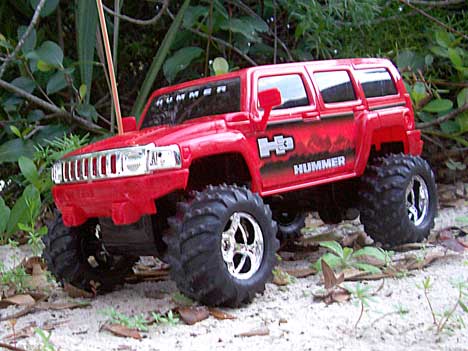
The H3 and H3T are being discontinued after the 2010 model year as GM is winding down the entire Hummer brand. Their cousins, the Chevrolet Colorado and GMC Canyon, are reportedly being redesigned for the 2012 model year.In 2007 GM South Africa launched their first Hummer production facility in Port Elizabeth, this move introduced the Hummer brand to the South African market and also somewhat lightened the load of the Shreveport factory in Louisiana.Most of the South African made Hummer H3's were imported to England because of the right hand drive factor. The plant manufactured only the Hummer H3, and builds for the South African market as well as the markets of Asia and Europe. This plant also manufactured a right hand drive version for the Australian market between 2007 and 2009.Throughout Australia, Hummer was distributed by GM Holden dealerships.The Hummer H3 was a crossover SUV/Sport Utility Truck from General Motors' Hummer division introduced in 2005 based on the GMT355 underpinning the Chevrolet Colorado and GMC Canyon compact pickup trucks. Produced at GM's Shreveport, Louisiana factory and the Port Elizabeth plant in South Africa the H3 was the smallest of the Hummer models, and the first to be built by GM. It was available either as a traditional midsize SUV or as a midsize pickup known as the H3T.

hummer h3 video
gemballa mirage gt cars

gemballa mirage gt
gemballa mirage gt
gemballa mirage gt
gemballa mirage gt
Gemballa is a tuning company based in Leonberg near Stuttgart, Germany, which was founded by, and named after, Uwe Gemballa in 1981. They provided aftermarket parts mainly for Porsche. In May 2010, the Gemballa factory was seized by German authorities and shut down following the disappearance of Uwe Gemballa. Gemballa CEO Andreas Schwarz and investor Steffen Korbach were able to reopen Gemballa in August 2010.[1]

A 600 hp (450 kW) Gemballa model held the lap record for road cars at the Nürburgring in the late 1990s once, and again in 2001 when Wolfgang Kaufmann lowered it to 7:32,52 min. It was since beaten by a Porsche Carrera GT, by less than a second.

Mazda 6 Review

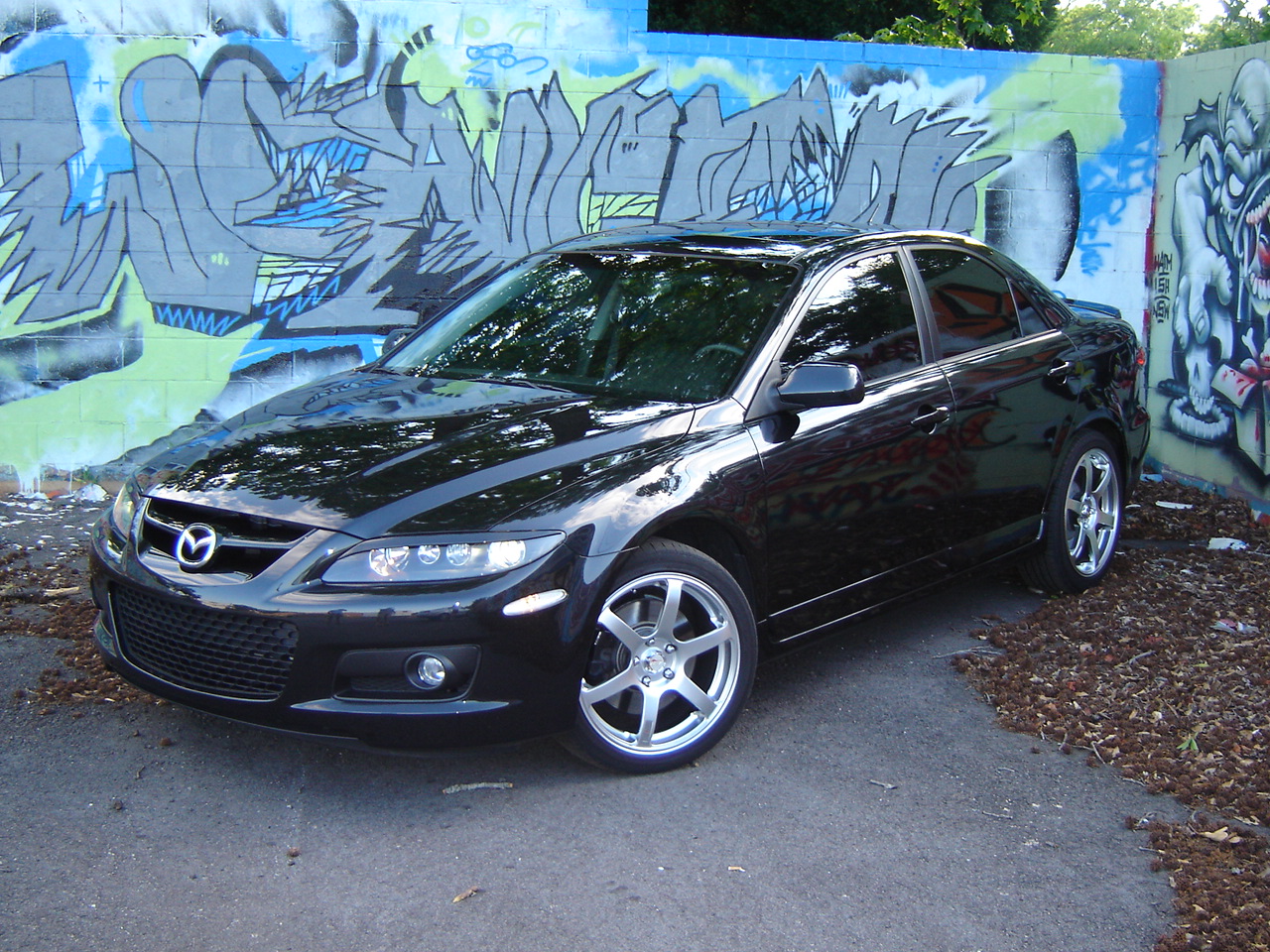
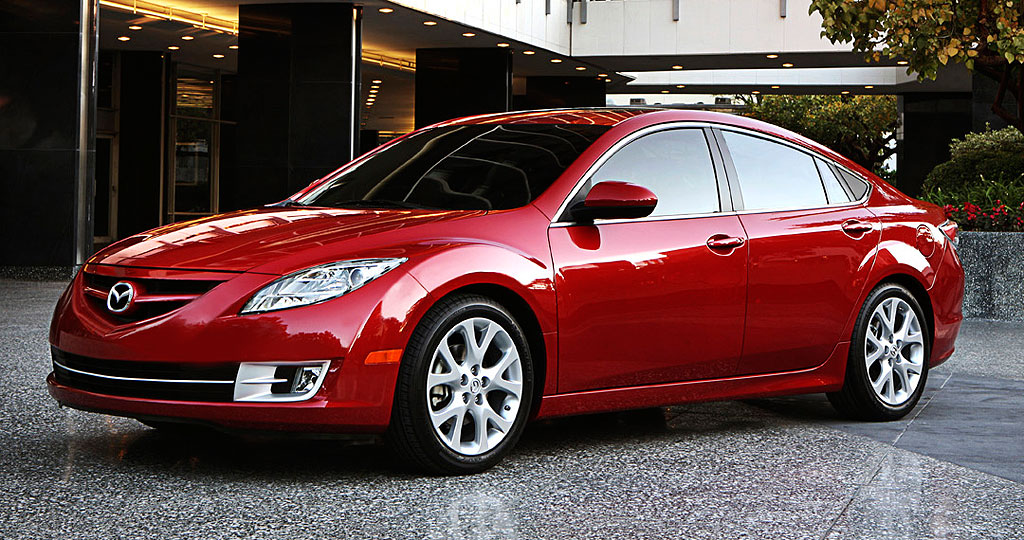
The Mazda6 or Mazda 6 (known as the Mazda Atenza in Japan) is a mid-size car produced by the Japanese car manufacturer Mazda since 2002. The Mazda6 has sold over one million units worldwide since its introduction, hitting that sales milestone faster than previous Mazdas.

The Mazda6 was the first example of the company's new Stylish, Insightful, and Spirited design philosophy followed by the Mazda2 in December 2002, RX-8 in August 2003, Mazda3 in January 2004, Mazda5 in the summer of 2005, MX-5 in October 2005, and Mazda CX-7 in November 2006. The Mazda6 is the successor of Mazda 626, also known as Mazda Capella and Mazda Cronos. The 2002 Mazda6 is essentially the 4th generation Mazda 626 as the Mazda6 continues on the G-platform, progressing from the GF-platform 626/Capella to the GG-platform Mazda6.

The Mazda6 is currently raced in the SCCA Pro Racing World Challenge GTS class. Mazda finished first in the manufacturer's championship standings.Mazda6 drivers also finished first and second in the Touring Car driver points.
The model lineup consists of a four-door sedan, a five-door liftback and a five-door station wagon, marketed in North America as the "Sport Sedan", "5-Door" and "Sport Wagon", respectively. In Australia, the lineup starts with Limited, available only as a sedan. Then comes the Classic, available in sedan, hatch or wagon. The Luxury model is next available in sedan and hatch versions. Topping the range is the Luxury Sports model, available only as a hatch. In New Zealand the lineup consisted of 2.0L GLX (sedan only), 2.3L GSX (sedan, hatch, and wagon), and the range-topping 2.3L Limited (sedan and hatch).
When it arrived in North America, it was first sold as a 2003 model in the United States and as a 2004 model in Canada. In Europe, the luxury sports model was available as a 136 hp (101 kW) direct injection turbodiesel ("DITD") station wagon up until 2007. As of 2008, the European Mazda catalog lists only the "Sport" version of the 146 hp (109 kW) turbodiesel station wagon, while the "Luxury Sport" version has been dropped.

Drivetrain combinations include the Mazda MZR engine in configurations of 1.8 L (L8-DE), 2.0 L (LF-VE) and 2.3 L (L3-VE), initially with a five-speed manual or four-speed automatic transmission (with sequential-automatic option, dubbed the "Four-Speed Sport AT"). In the US domestic market a 3.0 L Duratec 30 V6 engine is also available with a five-speed manual or five-speed automatic (with sequential-automatic option, dubbed the "5-Speed Sport AT"). European and Australian versions also feature a four-cylinder turbodiesel that comes with a six-speed manual transmission and produces significantly more torque than the V6 with much improved fuel economy.
In North America, the 5-speed automatic optional on the V6 models is replaced by an Aisin 6-speed automatic for 2005 model year. The four-cylinder model receives a Jatco five-speed automatic in the following year. Power is directed to the front wheels in most markets, although full-time all wheel drive models are available in Japan, Europe and Australia. Not all configurations are available in all areas - for example, the Mazda 6 as released in Australia is available in 2.3L four-cylinder guise only, while the 626 which it replaced was available with a choice of four or six-cylinder engines. The MZI V6 engine was only fitted to vehicles manufactured at Flat Rock, Michigan and destined for the US and Canadian domestic markets.
Just as before the Mazda 626 was renamed to Mazda6 Atenza, Ford continues to use the Mazda's G-series platform for the basis of a number of its CD3 platform coded vehicles, including the Ford Fusion, Mercury Milan, Lincoln Zephyr/MKZ, Lincoln MKX, and a range of SUVs and minivans. Ford also plans to offer a hybrid powertrain on the platform. The official Mazda chassis codes are GG (sedan/hatch) and GY (wagon) series - following the 626/Capella in its GF/GW series.

Mazda's Hofu plants in Yamaguchi Prefecture, Japan produce the Mazda6 for international markets. In North America, Mazda 6 production is handled at the AutoAlliance International plant which is a joint venture between Ford and Mazda. The first Mazda 6 rolled off this Flat Rock, Michigan assembly line on October 1, 2002, one month after 626 production ended. There are also satellite plants building Mazda 6 models in China and Thailand for their respective local markets.

In September 2005, all Australian Mazda 6's received a facelift which included a feature upgrade, 5 speed auto and 6 speed manual transmissions, standard 16" or 17" alloy wheels and minor bodywork upgrades.

In China, the Mazda6 is used as the base for the FAW Benteng, also known as Besturn or Hongqi C301, manufactured by the First Automobile Works in Jilin Province.

Lincoln LS Car

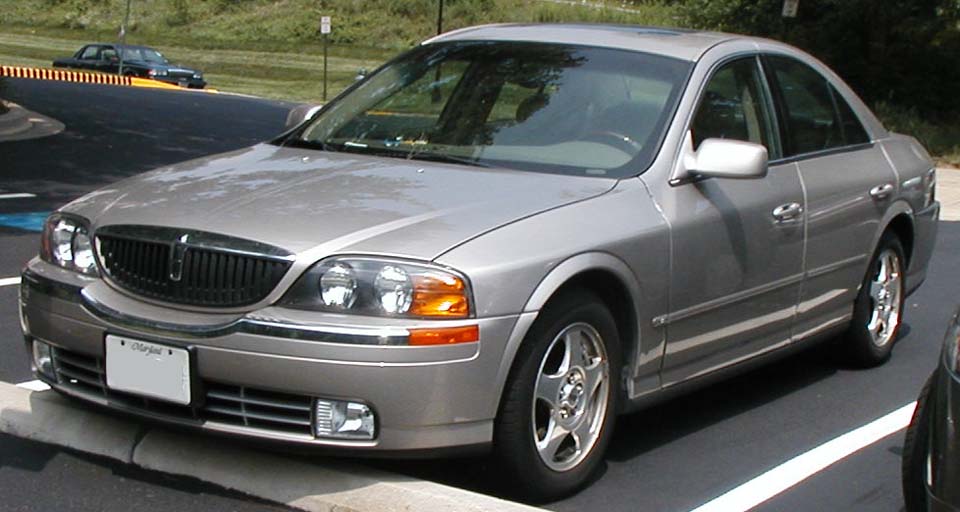
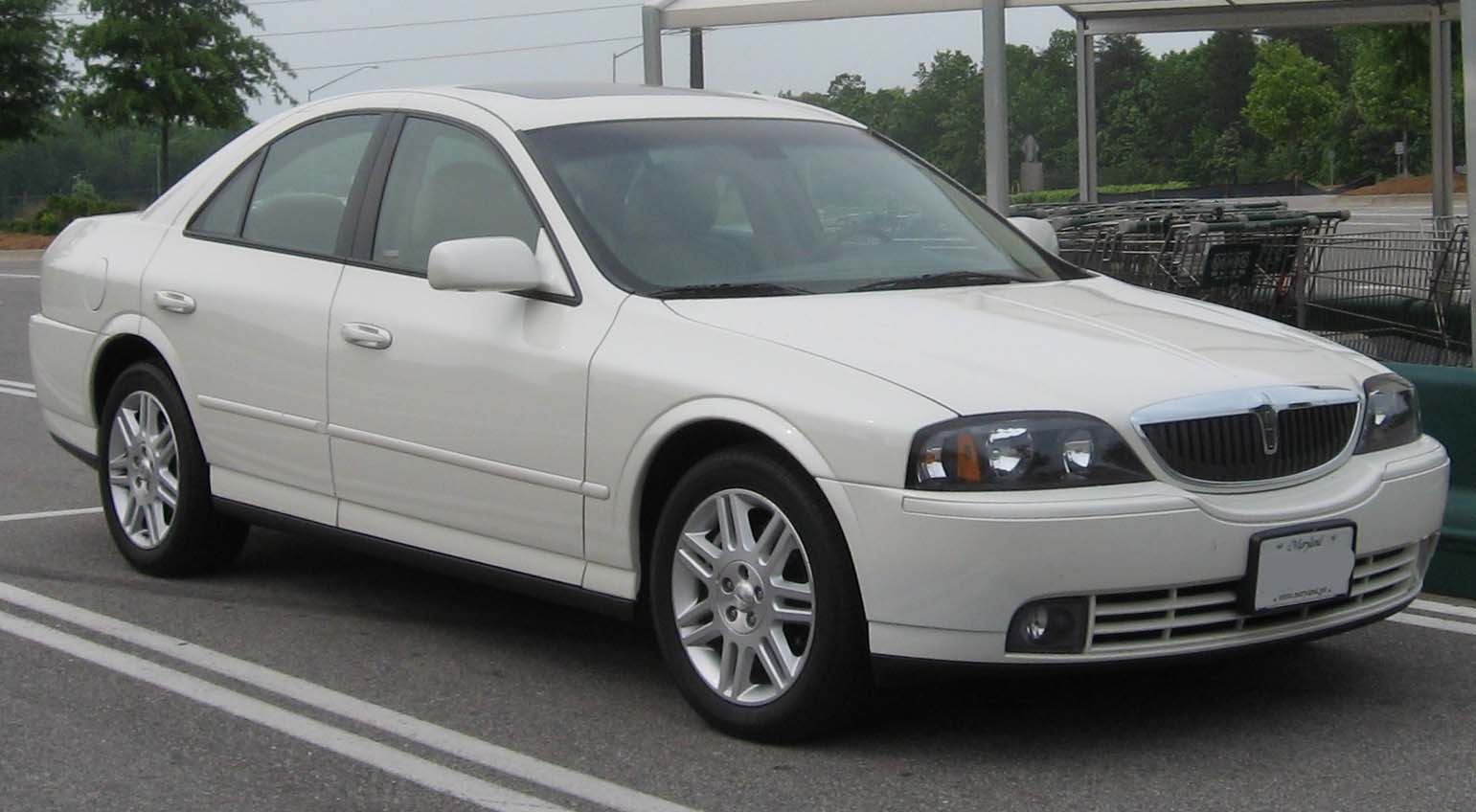
The Lincoln LS is a mid-size, rear wheel drive sedan from Lincoln. For its production run from 1999 until 2006, it was based on the Ford DEW98 platform, which was shared with the Jaguar S-Type and Ford Thunderbird. LS versions were originally to be called LS6 and LS8 on engine choice, but those designations were replaced with "LS V6" and "LS V8" after Toyota's Lexus division became concerned about the potential for naming confusion with its Lexus LS.Along with the related Jaguar S-Type, it is the first entry-level luxury car owned by a Ford brand since the Merkur Scorpio and XR4Ti ended production in 1989.
The LS was introduced in early 1999 as a 2000 model year vehicle, in part as a successor to the Lincoln Mark VIII coupe that was discontinued after 1998. It was the first Lincoln in decades to offer an optional manual transmission. With its available V8 power, rear wheel drive, and near 50/50 weight distribution, the LS was an attractive alternative to European sports sedans.
Prices for the LS from the 2000 to 2004 model years ranged from just over $30,000 for a base V6 model in 1999, to around $45,000 for fully equipped Special Edition V8 LSE trims in 2004. By 2006, prices ranged from $39,945 for a base model to $49,100 for a top-of-the-line LS. The increase in base price was caused by the elimination of the entry-level LS V6, which in turn moved the now V8-only LS from the entry-level luxury segment to the mid-level luxury segment.
Production of the LS ended on April 3, 2006. All Lincoln LS models were manufactured at Ford's Wixom Assembly Plant which was idled in 2007, as part of The Way Forward. About 262,900 LS models were built.
Lincoln LS

Land Rover Defender 90 Pictures


Land Rover Defender 90 Video

Land Rover Defender 90 Hot GirlsLand Rover Defender 90 Gallery
Land Rover Defender 90 Vehicle
Land Rover Defender 90 Photo
Land Rover Defender 90

Jaguar XJR Wallpapers

Commonly referred to as the "Series II," the XJ line was facelifted in Autumn 1973 for the 1974 model year. The 4.2L I-6 XJ6 (most popular in the United Kingdom) and the 5.3L V12 XJ12 were continued with an addition of a 3.4 L (3442 cc/210 in³) version of the XK engine available from 1975.

The Series II models were known for their poor build quality, which was attributed to Jaguar being part of the British Leyland group, as well as to problems inherent in the design of certain Lucas-sourced components.

Initially the Series II was offered with two wheel bases, but at the 1974 London Motor Show Jaguar announced the withdrawal of the 'standard wheel base' version: subsequent saloons/sedans all featured the extra 4 inches (10 cm) of passenger cabin length hitherto featured only by the 'long wheel base' model.By this time the first customer deliveries of the two door coupe, which retained the shorter 'standard' wheel base (and which had already been formally 'launched' more than a year earlier) were only months away.

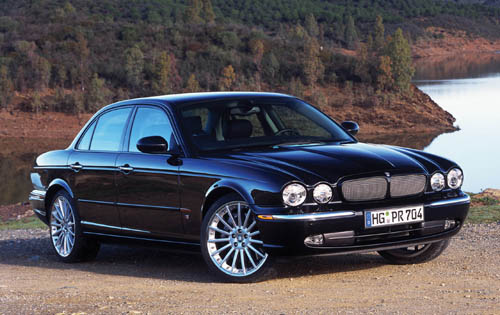
Visually, Series II cars are differentiated from their predecessors by raised front bumpers to meet US crash safety regulations, which necessitated a smaller grille, complemented by a discrete additional inlet directly below the bumper. The interior received a substantial update, including simplified heating and a/c systems to address criticisms of the complex and not very effective Series I system.

In April 1975 the North American Series II got a slightly revised set of front bumpers which had rubber overriders covering the full length of the bumper with embedded turn signals at each end. In 1978 the North American cars also got the addition of electronic fuel injection in the place of Zenith-Stromberg carburettors.

In May 1977 it was announced that automatic transmission version of the 12 cylinder cars would be fitted with a General Motors three speed THM 400 transmission in place of the British built Borg-Warner units used hitherto.

The 1978 UK model range included the Jaguar XJ 3.4, XJ 4.2, XJ 5.3, Daimler Sovereign 4.2, Double-Six 5.3, Daimler Vanden Plas 4.2, Double-Six Vanden Plas 5.3.

In New Zealand, CKD kits of the Series II were assembled locally by the New Zealand Motor Corporation (NZMC) at their Nelson plant. In the last year of production in New Zealand (1978), a special 'SuperJag' model was produced which featured half leather, half dralon wide pleat seats, vinyl roof, chrome steel wheels and air conditioning as standard. New Zealand produced models featured speedometers in km/h, and the black vinyl mats sown onto the carpets in the front footwells featured the British Leyland 'L' logo.

Though worldwide production of the Series II ended in 1979, a number were produced in Cape Town, South Africa until 1981.

A total of 91,227 Series II models were produced, 14,226 of them with the V12 engine.

Jaguar XJR Full Size Wallpaper
Jaguar XJR
Jaguar XJR
Jaguar XJR
Jaguar XJR

Hyundai Excel Old Cars

Hyundai Excel
Hyundai Excel Wallpaper

Hyundai Excel Video
Hyundai Excel
Hyundai Excel car
Hyundai Excel Image

bmw 7 series overview

In 1977, we introduced one of the most luxurious and most powerful automobiles BMW ever built: The BMW 7 Series. Today, four lines and more than 30 years later, the BMW 7 Series has long become one of the best-selling luxury cars in the world. No wonder: State-of-the-art technology increases driving comfort as well as agility. This, coupled with sophisticated materials designed for classic yet modern styling, will satisfy all of your needs.
Welcome in the BMW 730d – the economical in-line six-cylinder diesel awakens softly and drives you powerfully. Integral active four-wheel steering system, dynamic damper control and the six- or eight-speed automatic transmission provide driving comfort, which is unmatched in its class. Or decide on the BMW 740d, which just like the BMW 730d convinces with excellent engine smoothness, however, offering even more power for all traffic situations, thanks to two turbochargers.
Those, who can’t get enough of dynamics, will decide on the BMW 760i with a twelve-cylinder petrol engine and unfailing 750 Nm torque. The BMW 760i’s 4.6 seconds from 0 to 100 km/h is unparalleled.
Exceptional display of power with unsurpassed engine smoothness is what the six-cylinder series petrol engine in the BMW 740i and the eight-cylinder V petrol engine in the BMW 750i stand for. The BMW 7 Series long version, providing a particular amount of comfort with an additional 14 centimetres of rear passenger leg room, is available in the BMW 740Li, BMW 750Li, BMW 760Li and BMW 730Ld models.
The BMW ActiveHybrid 7 – an upper class sedan that convinces with fuel economy at high vehicle dynamics. Thanks to innovative hybrid technology, fuel consumption and CO2 emission can be reduced considerably. Passenger compartment space and driving experience are uncompromised in this eco-friendly automobile. BMW EfficientDynamics means that the combination of BMW TwinPower Turbo V8 and electric motor with a torque of up to 210 Nm moves you with the highest efficiency and the greatest driving enjoyment. Also included in the BMW ActiveHybrid 7 are innovative technologies, such as the consequent lightweight construction concept and high precision injection.
Whether you are interested in a new BMW 7 Series or used BMW 7 Series, financing or leasing, test drive or dealer inquir

Lexus GS430 GS430 Modles

Lexus GS430 GS430

Lexus GS430 GS430 wiki
Lexus GS430 GS430 Interior
Lexus GS430 GS430

Cadillac Cts History

The Cadillac division of General Motors introduced the CTS in 2002 for the 2003 model. The CTS is built on the Sigma rear wheel drive platform. One notable feature of the CTS is its manual transmission, as it is the first Cadillac manual since 1988! The CTS replaced the Catera in the Cadillac lineup and soon was nominated for the North American Car of the Year. The CTS was one more vehicle that took on the acronym names that are very popular with Cadillac now. For example there is the STS, the XLR, the DTS, and the SRX.

For the first model year in 2003, the CTS was outfitted with a 3.2 liter V6 engine that could produce 220 horsepower. While this engine seemed more than enough, in 2004 Cadillac powered the CTS with a 3.6-liter V6 with variable valve timing that could produce 255 horsepower. The 3.2-liter V6 engine was kept in the base model until 2005 when a 2.8-liter dual overhead cam engine replaced the first engine used.

When the CTS first hit the market, it was offered with a 5L40-E automatic transmission or a 5 speed Getrag 260 manual transmission. In 2005, the Getrag 260 manual transmission was replaced with an Aisin AY-6 six-speed manual, which provided a better fit for the CTS.
The interior of the CTS features very little wood trim like many Cadillac vehicles do. The CTS is more of a serious vehicle and isn’t about warm trim features like wood. The instrument panel is very straightforward and easy to use and was last updated for the 2005 model year. While warmness isn’t abundant in the CTS, the vehicle does feature beautiful leather seats that are very comfortable for long days of driving and are of a quality that they will withstand much use. The CTS also offers plenty of cabin space, so that even the tallest drivers and passengers will feel comfortable driving or riding in this vehicle. The cabin room in the CTS is often a selling point for the vehicle because it offers more space than European competitors can. The back seat can comfortably seat two to three people, though there is not as much support in the back seats as there are in the front seats.

Great features such as the three spoke steering wheel with buttons and controls for the sound system and cruise control make driving this car a delight. The steering wheel is also padded for comfortable steering capabilities. The dash is designed in such a way that adjusting audio or climate control is very simple. There is also a navigation system that is optional that is also in a portion of the dash that juts out a bit more than the rest for easy and convenient access.

There are options for an awesome Bose audio system as well as XM Satellite Radio, which will give you premium sound as well as access to all of the sounds that you would most like to hear on your jaunts across town or across country. OnStar Telecommunications is also available on the CTS, which will enable you to get help should you need it while on the road. OnStar is a huge selling point for the CTS, as many purchase such vehicles when they travel long distances and such a system provides added security.

Cadillac also offers a CTS-V, which is a more sporty CTS. The CTS-V is powered by a 5.7 liter LS6 V8 engine that provides 400 horsepower. This powerful engine is coupled with a six speed manual transmission and has been available since the 2004 model year. The CTS-V is a vehicle that is suited for the luxury car consumer that wants a bit more performance for their dollar. The CTS-V will be updated for the 2007 model year. A Super V-series CTS is also planned for the 2007 model year, which will offer consumers a fantastic 505 horsepower.

Cadillac is reportedly planning on showing the 2008 CTS at the 2007 North American International Auto Show. The Cadillac CTS has been a success thus far and has many people excited to see the new CTS that will be unveiled at the 2007 North American International Auto Show. With good things being seen in the past by consumers, the CTS is bound to be a success.

cars wallpapers

Audi cars wallpapers
cars pictures & wallpapers
cars background
cars wallpaper

audi r8 price

The 2010 Audi R8 price for US has been announced today for both the V8 and V10 engined versions.

The V8 powered 2010 Audi R8 4.2 FSI price starts at $114,200 and as far as performance the vehicle is capable of unleashing 420 hp and 317 lb-ft of torque through its standard manual transmission while the automatic R tronic equipped version goes on sale for $123,300.

For the more powerful 2010 Audi R8 5.2 FSI quattro price starts at that $146,000 for the manual and $155,100 for the automatic, and in this case future customers will enjoy the hand-assembled V10's ability to develop 525 hp with 391 lb-ft of torque and accelerate from 0 to 60 mph in 3.7 seconds.

Audi press release :

Audi today announced that the U.S. manufacturer’s suggested retail price for the highly anticipated 2010 Audi R8 5.2 FSI quattro V10 sports car will start at $146,000, with shipments to authorized Audi R8 dealerships across the country beginning this week.

Audi said the MSRP for the 2010 Audi R8 4.2 FSI quattro will start at $114,200, unchanged from the base prices for 2009 models:

2010 R8 5.2 FSI® quattro® (V10) pricing (excluding $1,200 destination charge, taxes, title, options and dealer charges):

R8 5.2 FSI quattro coupe (manual) $146,000
R8 5.2 FSI quattro coupe (R tronic) $155,100

2010 R8 4.2 FSI® quattro® (V8) pricing (excluding $1,200 destination charge, taxes, title, options and dealer charges):
R8 4.2 FSI quattro coupe (manual) $114,200
R8 4.2 FSI quattro coupe (R tronic) $123,300

The addition of the R8 V10 adds new levels of power to a sports car already renowned for delivering premium comfort uncommon in its class without performance compromises. The 10-cylinder 525 hp engine is the same power plant found in the R8 LMS GT3 racecar and is capable of delivering breathtaking performance. The Audi R8 5.2 FSI quattro delivers 391 lb-ft of torque and achieves a 0-60 mph time of just 3.7 seconds.

Anticipation has been building for the U.S. introduction of the R8 V10. Today, the first two 2010 Audi R8 5.2 FSI quattro models available in the U.S. were delivered to the two winning bidders from the 2009 Boca Raton Concours d’ Elegance charity auction held in February to benefit the Boys & Girls Clubs of Broward County, Fla. The two winning bids raised a combined $850,000 for the charity, with the top bidder paying a record $500,000 for the new 2010 R8 V10, the highest amount ever paid for a new Audi vehicle in the U.S.

Since its U.S. launch in September 2007, demand has remained strong for the V8-powered R8 4.2 FSI quattro featuring 420 hp and 317 lb-ft of torque. The hand-assembled R8 V10, developed by the Audi high-performance division, quattro GmbH, receives unique exterior features as standard equipment. Chief among these: innovative full-LED headlights, a world’s first. The Audi R8 5.2 FSI quattro also receives new 19-inch Y-design forged aluminum alloy wheels with summer performance tires, sideblades with larger air intakes, front grille with chrome-optic accents, unique rocker panel shaping, dual oval rear exhaust tips, “V10” front fender badges and instrument cluster labeling, unique front and rear sections along with a larger rear diffuser all finished in high-gloss black.

Other R8 5.2 FSI quattro standard equipment highlights include rear-biased quattro all-wheel drive, Audi magnetic ride, Audi Navigation plus with 3D graphics and real time traffic, 465-watt Bang & Olufsen Sound System®, 6-disc CD changer, Bluetooth® telephone preparation, SIRIUS satellite radio®, Audi parking system plus with rearview camera and 10-way power heated sport seats. Sepang Blue pearl effect will be offered as an optional R8 V10 exclusive exterior color.

“The R8 is a proven worldwide success story for Audi,” said Johan de Nysschen, President, Audi of America. “The positive effects of the vehicle on dealers, customers, and Audi fans alike have exceeded all expectations. The addition of the V10-powered R8 5.2 FSI quattro adds further equity into the already sought-after R8 nameplate and the Audi brand.”

The R8 is one of four Audi models currently built with the revolutionary ASF® chassis, a technology that Audi has mastered in more than a decade of experience. ASF is customized by model, including its application with the A8 and TT Coupe and Roadster models. The framework of an ASF body consists of extruded aluminum sections and pressure castings. The aluminum chassis and sheet metal are just as strong as steel, but lighter to boost performance and efficiency. This frame carries the sheet aluminum elements, for example the roof panel, which are rigidly connected to it and help to withstand loads on the body. The elements of ASF are varied in shape and cross-section, depending on the tasks they have to perform. Like the bones of a human skeleton, they combine optimal function with low weight. The ASF application on the Audi R8 offers extremely high torsional rigidity, light weight and high strength for optimal performance characteristics.

All R8 models are produced in Neckarsulm, Baden Württemberg, Germany along with the aluminum A8 model. Audi is continuing to shape the future in lightweight design and elsewhere too. Inaugurated in 1994, the Aluminum and Lightweight Design Center in Neckarsulm, Germany employs more than 120 specialists to work on new joining techniques, body structures, materials and construction techniques. They also look into the use of high-strength and ultra-high-strength grades of steel. In the area of fiber composites, Audi also acts as an innovative pioneer and trend-setter by leveraging its significant racetrack experience and success to test advanced component concepts under extreme conditions prior to implementation on its road vehicles.

Audi expects to release 2010 pricing and model year changes for the remainder of its lineup within the next few weeks.

dacia duster vehicle


Indisputable 4x4 looks…

At first glance, Dacia Duster is clearly a 4x4. Its front end exudes a sense of ruggedness, and the wide wheel arches, imposing chromed grille and sump guard all point to Dacia Duster 4x4 credentials. Seen from the side, its high ground clearance, clearly-defined wheel arches and body protection are an open invitation to take on even the toughest roads and tracks.

Today's all-terrain vehicles are often synonymous with bulk, a preconception which Dacia Duster sweeps aside. Standing at a length of just 4.31 metres and a width of 1.82 metres, Dacia Duster is very compact, making it as at home in built-up areas as it is when taken off the beaten track. Although it clearly demonstrates that it belongs to the world of all-terrain motoring, Dacia Duster boasts attractive, yet unostentatious lines.


…with genuine go-anywhere ability

Dacia Duster was designed to tackle all types of roads and tracks, all over the world. In order to meet these varied needs, Dacia Duster is available in all markets in both 4x2 form (for customers looking for high ground clearance, high driving position but who have no real need for a four-wheel drive daily driver) and with 4x4 transmission for off-road driving.

Dacia Duster's strengthened underside is suitable for dirt roads and all-terrain use thanks to its high ground clearance (more than 200mm) and big clearance angles (approach angle: 30 degrees; departure angle: more than 35 degrees).
Easy to use

Dacia Duster is easy to drive and not only aimed at all-terrain aficionados. The combination of its low unladen weight (1.180kg in 4X2 - 1,280kg in 4X4) and compact proportions ensure particularly agile handling. In the 4X4 version, thanks to the unique and intuitive control (sourced from Nissan) located in the cabin at the foot of the central column, Dacia Duster drivers can easily adapt the vehicle's transmission configuration to meet their needs of the moment.

This control allows one of three modes to be selected:

*When the Auto mode is selected, the front/rear torque split is calculated automatically as a function of available grip. This system is aimed at providing optimal traction, however much grip is available, and gives Dacia Duster genuine 4x4 ability. In normal conditions, the torque is transmitted through the front wheels only. If traction is lost, or when grip is at a premium, some of the torque is transferred to the rear axle. In extreme conditions, the torque is split equally front and rear. This split is performed by an electromagnetic torque converter supplied by Nissan.
*In Lock mode, the driver electronically locks it into 4x4 mode, whereby 50 per cent of torque is consistently fed through the rear axle. This mode is recommended in low grip conditions (snow, mud, dirt, sand) at low speeds.

*In 4x2 mode, the transmission is locked into two-wheel drive. This mode is suited to driving on good roads and reduces fuel consumption.